
Business 101: 7 Things You Need to Understand Before Starting a Business
Starting a business is exciting. You have the idea, you see the possibilities, and you're ready to turn something you've been thinking about into a real business.
But having a good idea is only the beginning. It is a means to an end, not an end in itself.
There are decisions to make, customers to understand, finances to manage, and systems to put in place. You also need to figure out how your business will stand out in a market where other people may already be offering something similar.
The truth is, many businesses don't struggle because their owners lack passion or good ideas. They struggle because important foundations are overlooked during the early stages.
If you're planning to launch a business soon, here are seven fundamental things you need to understand before getting started. The 6th point is super essential, so ensure to read till the end.
1. Brand Identity: Give Your Business an Identity People Can Recognize
Your brand is much more than a logo, a collection of colors, or a font selection. Those are visual elements of your identity, but your brand goes much deeper.
It represents your business personality, values, voice, and the experience people associate with you. It influences how customers perceive your business and what they remember about it.
Think about two businesses selling the same product. One communicates clearly, presents itself consistently, and creates a recognizable experience. The other has inconsistent visuals, unclear messaging, and no distinct personality.
Even if both offer similar products, customers may perceive them very differently.
This is why brand identity should not be an afterthought. It should be considered early enough to influence how you present your business across your website, social media, packaging, marketing materials, and customer interactions.
What you should do:
Choose a business name that is appropriate and memorable.
Define your brand personality, values, and communication style.
Develop a consistent visual identity, including your logo, colors, and typography.
Establish how your business should communicate with its audience.
Apply your identity consistently across your business touchpoints.
Your goal is to build a brand people can recognize, understand, and remember. Create a brand that
2. Your Unique Offer: Give Customers a Reason to Choose You
Why should someone buy from your business instead of another business offering the same product or service?
This is one of the most important questions you need to answer before launching.
Having a product or service does not automatically make your business different. Your potential customers already have alternatives, and they need a reason to consider yours.
Your unique selling proposition (USP) is the specific value, advantage, or quality that distinguishes your offer from competing options.
It could be your pricing, convenience, product quality, delivery speed, expertise, customer experience, specialization, or the particular problem you solve.
For example, two businesses may sell skincare products, but one could focus on affordable skincare for people with specific skin concerns, while the other specializes in carefully selected premium products.
Both operate in the same market, but their offers appeal to different needs.
You don't have to invent something nobody has ever seen before. You need to understand what your customers value and identify how your business can deliver that value differently.
What you should do:
Research businesses offering similar products or services.
Identify gaps in the market and problems customers still struggle with.
Understand what your target customers value most.
Define the specific advantage your business offers.
Communicate that advantage clearly in your marketing and sales messages.
If customers cannot tell why they should choose you, competing on price may become your only obvious option. Give them a better reason.
3. Know Your Audience: Stop Trying to Sell to Everybody
One of the easiest mistakes to make when starting a business is assuming that everyone on your WhatsApp or IG list is a potential customer.
Your product might be useful to many people, but that doesn't mean everyone has the same needs, priorities, purchasing power, or reasons for buying it.
Trying to appeal to everybody often results in messaging that connects with nobody in particular.
You need to understand the people most likely to need what you're offering. What problems are they trying to solve? What influences their purchasing decisions? Where do they spend their time? What concerns might prevent them from buying?
These questions help you make better decisions about your product, pricing, communication, marketing channels, and customer experience.
For instance, a business selling premium office furniture should approach its audience differently from one selling affordable furniture to students and young families. The product category may be similar, but the customers, expectations, and purchasing motivations are different.
What you should do:
Define your ideal customer based on real market needs.
Understand their problems, preferences, and purchasing behaviour.
Research where they discover products and services.
Identify the factors that influence their buying decisions.
Tailor your messaging and offerings to the audience you want to reach.
The more you understand your customers, the easier it becomes to create offers and experiences that make sense to them.
Need Help Building Your Business's Digital Foundation?
Getting your business ready for the market involves more than choosing a name and opening a social media account. You need the right digital tools, a professional online presence, and a clear strategy for reaching potential customers.
Explore our Solutions4. Strategic Marketing: Make Sure the Right People Know You Exist
You can have an excellent product, a memorable brand, and a clear understanding of your audience, but none of that matters much if potential customers don't know your business exists.
This is where marketing comes in.
Marketing is how you communicate your value, reach potential customers, generate interest, and create opportunities for sales. It should not be something you start thinking about only after launching.
A common mistake among new business owners is relying entirely on social media posts or waiting for customers to discover them organically. While these activities can contribute to visibility, they are not a substitute for a deliberate marketing strategy.
You need to understand which channels are appropriate for your audience and how you intend to use them.
For one business, search engine visibility may be particularly important. Another may benefit more from social media, partnerships, email communication, or direct outreach.
The goal is not to be everywhere. It is to be present where your potential customers are and communicate in ways that encourage them to take action.
What you should do:
Set clear marketing objectives for your business.
Choose channels based on where your target audience spends time.
Develop a content and communication strategy.
Allocate a realistic budget for marketing activities.
Track enquiries, conversions, and sales to understand what is working.
Review your strategy and adjust it based on actual results.
Marketing should be connected to business goals, not just the need to keep your social media pages active.
5. Financial Health: Understand the Numbers Behind Your Business
Passion may get your business started, but money management plays a major role in keeping it operational.
You need to understand how much it costs to run your business, how much you need to earn, and how much money is actually left after expenses.
One mistake new business owners make is confusing revenue with profit. Making sales does not automatically mean you're making money.
You could generate ₦2 million in revenue and still struggle financially if your operating costs, salaries, inventory, logistics, taxes, and other expenses consume most of it.
Cash flow is equally important. A business can appear profitable on paper but still experience difficulties paying its bills if money is not coming in at the right time.
You should also avoid treating your business account like a personal wallet. Mixing personal and business finances makes it harder to understand your actual financial position.
What you should do:
Prepare a realistic startup budget.
Understand your operating expenses and expected margins.
Separate personal and business finances.
Keep accurate records of income and expenditure.
Monitor cash flow and outstanding payments.
Plan for taxes, emergencies, and reinvestment.
You don't need to become an accountant to run a business, but you must understand the numbers that determine whether it can survive and grow.
6. Efficient Systems: Build a Business That Can Run Beyond You
In the beginning, you may handle almost everything yourself. You respond to customers, manage orders, track payments, coordinate deliveries, create content, and make important decisions.
That might work when you're serving a handful of customers. But as the business grows, doing everything manually can quickly become exhausting.
Without proper systems, important tasks may be forgotten, information gets scattered, customers receive inconsistent service, and simple operations become unnecessarily complicated.
This is why you should start building efficient processes early.
Systems include the tools, procedures, workflows, and responsibilities that keep your business organized. They help ensure that important activities are completed consistently, even when you're not personally overseeing every step.
For example, a business can use a customer relationship management system (CRM) to organize enquiries, accounting software to monitor finances, and automated notifications to keep customers informed about orders.
You can also document standard operating procedures (SOPs) so team members understand how specific tasks should be completed.
What you should do:
Document important business processes.
Establish clear responsibilities for team members.
Use appropriate software to manage operations.
Automate repetitive tasks where it makes sense.
Organize customer information, records, and business documents.
Review your processes as the business grows.
The objective is not to automate everything or introduce complicated tools from day one. It is to create a business that can operate efficiently without depending entirely on your constant involvement.
7. Client Experience: Turn First-Time Buyers into Returning Customers
Your product might get customers through the door, but your service keeps them coming back. Overall customer experience influences whether they will buy again, recommend your business, or choose a competitor next time. Prioritize exceptional support to turn one-time buyers into loyal advocates.
Consider what happens after a customer makes a purchase. Are they kept informed? Is their order delivered as promised? Can they easily get assistance when something goes wrong? Does your business handle complaints professionally?
These interactions shape how customers remember your brand.
A good customer experience should not depend on luck or the mood of whoever happens to be attending to a customer. It should be part of how your business operates.
Satisfied customers can also become an important source of referrals, reviews, testimonials, and repeat business.
What you should do:
Make it easy for customers to contact your business.
Set clear expectations about pricing, delivery, and service.
Respond to enquiries and complaints professionally.
Follow up when necessary.
Ask customers for feedback and act on useful suggestions.
Maintain consistent service standards.
Don't focus all your attention on getting new customers while neglecting the people who have already trusted you with their money.
Before You Launch, Get Your Foundations Right
Starting a business comes with limitless opportunities, but it also requires preparation. A good idea is a starting point, not a complete business plan.
You need a recognizable identity, a clear offer, an understanding of your audience, a marketing strategy, financial discipline, efficient systems, and a commitment to customer experience.
These seven foundations won't guarantee overnight success, but they can help you avoid common mistakes and make better decisions as your business develops.
You don't have to get everything perfect before launch. What matters is understanding what needs to be in place, making deliberate decisions, and being willing to improve as you learn.
Building a Business? Let's Get the Digital Side Right.
Your business deserves more than a rushed website, an inconsistent brand, or disconnected digital tools. Rexta Technologies works with businesses to develop the digital solutions and technology foundations they need to establish themselves and move forward.
Work With USFrequently Asked Questions
What should I do first when starting a business in 2026?
Start by validating your business idea. Research the market, identify the problem you're solving, understand your potential customers, and examine existing competitors. Once you have a clearer picture of the opportunity, you can begin developing your offer, brand identity, business plan, and operational structure.
Do I need a logo and brand identity before launching?
Yes, establishing a brand identity early is important. Your logo, colors, typography, messaging, and overall brand personality help create a consistent impression of your business. You don't need an unnecessarily complicated identity, but you should have a recognizable and professional foundation before presenting
How do I identify my target audience?
Start by examining who experiences the problem your product or service solves. Consider their needs, location, purchasing power, interests, and buying behaviour. You can also conduct market research, interview potential customers, study competitors, and use feedback to refine your understanding of the audience.
How much money do I need to start a business?
There is no universal amount. Your startup capital depends on the nature of your business, industry, location, equipment, staffing requirements, inventory, and operating costs. Prepare a realistic budget that covers the initial setup and gives you enough financial room to manage the business during its early stages.
Do I need a website when starting a business?
A website gives your business a dedicated online presence where potential customers can learn about your offerings, verify your credibility, and contact you. Depending on your business model, it can also support enquiries, bookings, online purchases, and other important operations. Social media can help with visibility, but it does not replace having a digital platform you control.
What is the difference between branding and marketing?
Branding establishes your business identity and influences how people perceive and remember it. Marketing involves the activities and strategies you use to communicate your value, reach potential customers, generate interest, and encourage sales. Branding gives people a reason to recognize and remember you, while marketing helps put your business in front of them.
When should I start automating my business processes?
You can introduce automation from the beginning when a process is repetitive, predictable, and suitable for automation. However, start with the tasks that consume the most time or create avoidable errors. As your business grows, review your operations and introduce systems that can improve efficiency without making things unnecessarily complicated.
How can I make my new business stand out from competitors?
Understand what your customers value, identify what your business does differently, and communicate that distinction clearly. Combine a well-defined offer with consistent branding, good customer service, reliable delivery, and a strong understanding of your market. Being different is useful, but being meaningfully valuable to your customers is what makes the difference.
Reactions
Stay in the loop
Get notified when we publish a new blog post. No spam, just insights and updates from the Rexta Technologies team.
Related Posts
7 Books to Read as a Business Owner Before You Launch
Explore seven useful business books covering customer research, innovation, sales, leadership, and the practical lessons every aspiring entrepreneur should know before launching.
11 Nov 2026
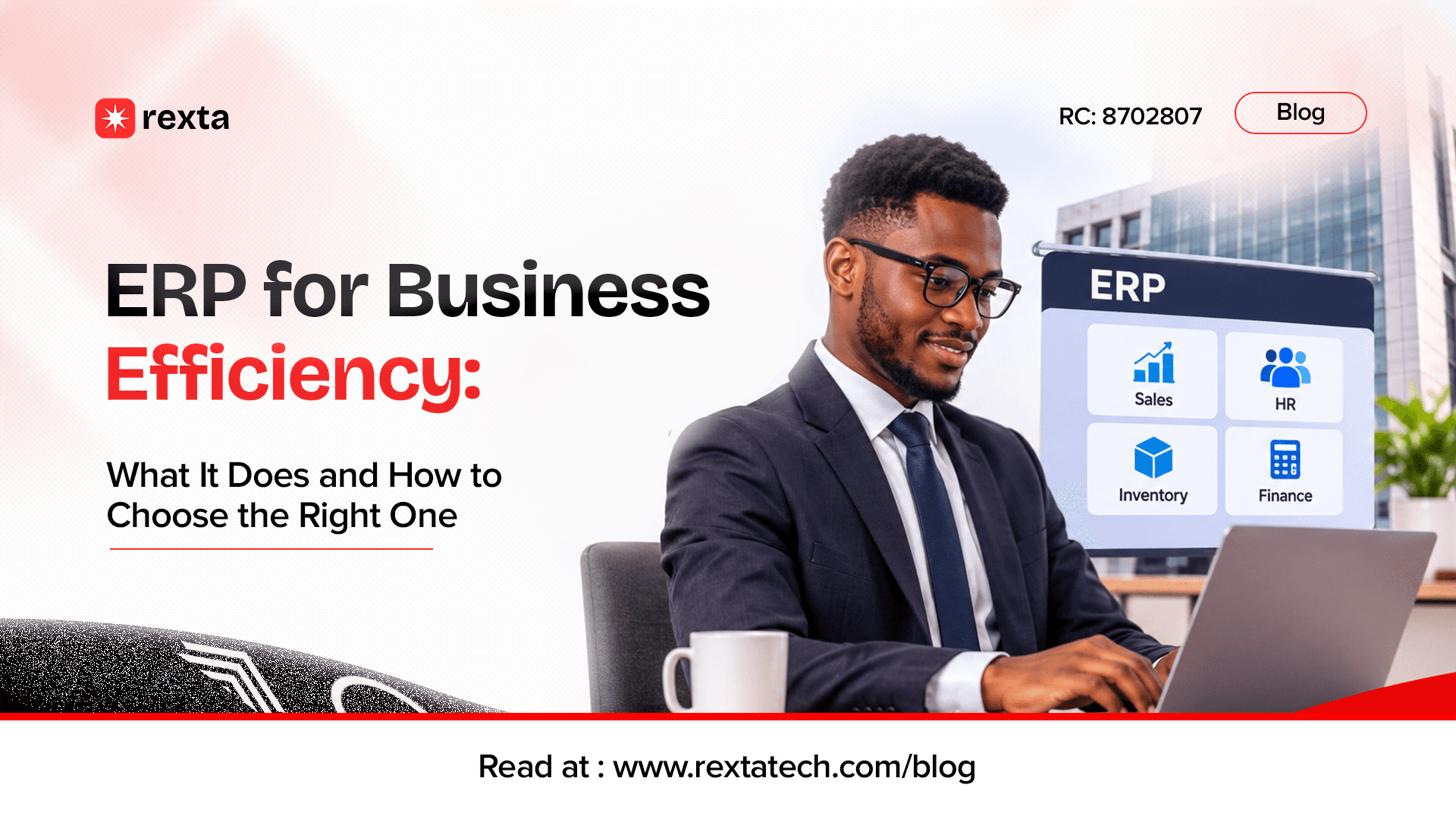
ERP for Business Efficiency: What It Does and How to Choose the Right One
Discover how ERP systems connect business operations, reduce manual work, and improve efficiency. Learn what to look for when choosing between an off-the-shelf, customized, or bespoke ERP solution.
16 Nov 2026

The SDLC in the AI Era: How AI Is Changing the Way We Build Software
Explore how AI is changing software planning, design, coding, testing, deployment, and maintenance, and what developers and businesses need to understand.
13 Nov 2026

Your MVP Should Embarrass You a Little: The Right Way to Scope Your Product
Learn what makes a minimum viable product, how to avoid scope creep, choose the right features for your first release, and use early user feedback to build a better product.
13 Nov 2026