
7 Books to Read as a Business Owner Before You Launch
Starting a business is exciting. You have an idea, you can already picture what it could become, and you are probably eager to get things moving.
But turning an idea into a successful business takes more than enthusiasm. You need to understand your customers, know how to sell, manage your finances, build systems, and make decisions that give your business room to grow.
In our previous post, Business 101: 7 Things You Need to Understand Before Starting a Business, we explored some of the fundamentals every aspiring business owner should know before launching.
This time, we are taking things a step further.
Books can help you learn from people who have already built businesses, made mistakes, tested ideas, and figured out what works. You do not have to learn every lesson the hard way.
Here are seven books we recommend adding to your reading list before you launch.
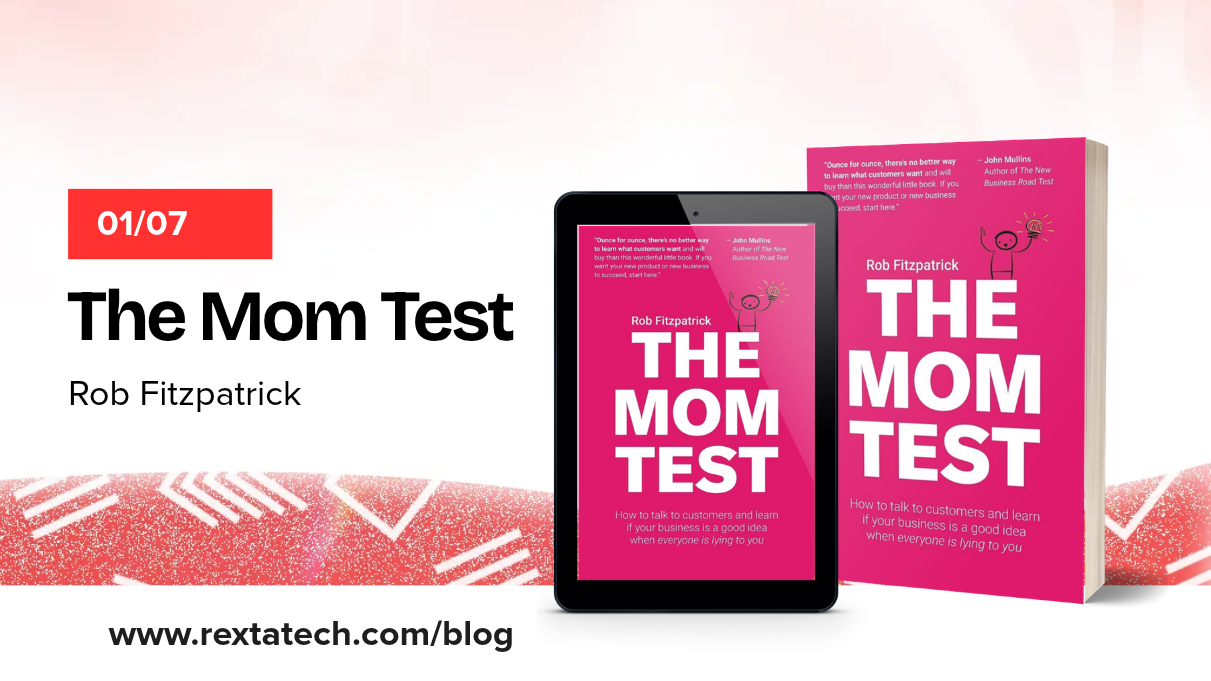
1. The Mom Test by Rob Fitzpatrick
Find out if people actually want what you are building.
One of the biggest mistakes aspiring business owners make is assuming that because an idea sounds good to them, other people will be willing to pay for it.
You ask friends and family what they think, they tell you it is brilliant, and you take that encouragement as proof that your business idea will work.
But compliments are not market validation.
In The Mom Test, Rob Fitzpatrick explains how to have better conversations with potential customers and get useful, honest feedback. Instead of asking people if they like your idea, you learn to ask questions about their experiences, existing problems, and how they currently spend money trying to solve those problems.
The goal is to discover what people actually need, not collect compliments about what you hope to build.
What you can learn: How to validate your business idea, understand customer problems, and avoid spending time and money building something people do not want.
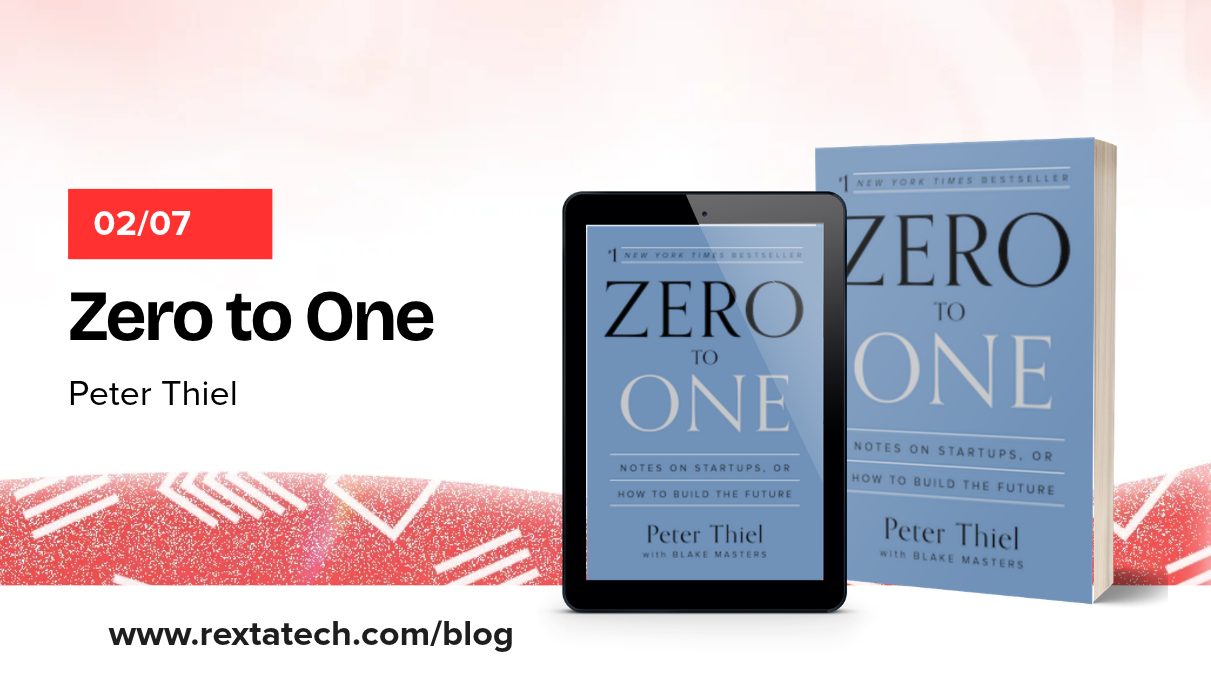
2. Zero to One by Peter Thiel
Stop copying. Start thinking differently.
There is a difference between starting a business and creating something that stands out.
You can look at an existing business, copy its products, use a similar business model, and compete for the same customers. But that does not automatically give you a reason for people to choose you.
In Zero to One, Peter Thiel explores the idea of building something new rather than simply replicating what already exists.
He describes two forms of progress: horizontal progress, which involves taking something that already works and replicating it, and vertical progress, which involves creating something new.
For an aspiring entrepreneur, the lesson is simple: do not build a business solely around what everyone else is doing. Look for opportunities to solve problems differently, serve an overlooked market, or create something customers cannot easily get elsewhere.
What you can learn: How to think independently, identify opportunities, and build a business around a unique value proposition instead of competing only on price or imitation.
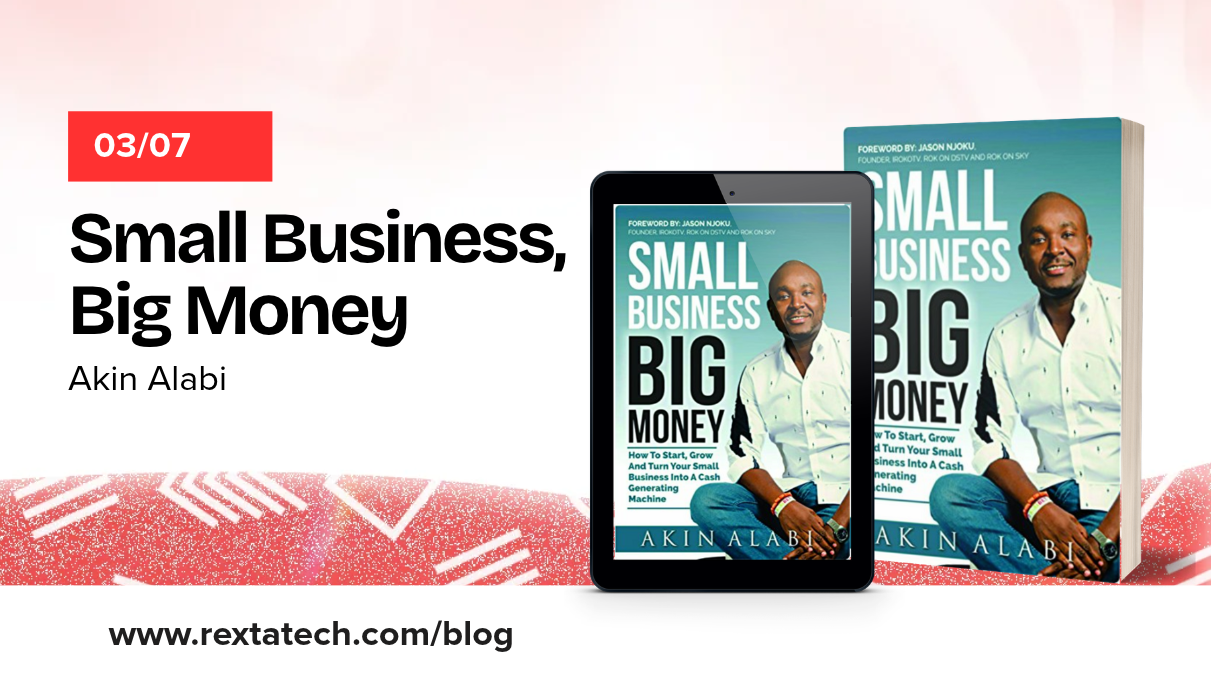
3. Small Business, Big Money by Akin Alabi
Understand what it takes to build a profitable small business.
Starting a business does not mean you need a huge office, an expensive team, or millions in starting capital.
In Small Business, Big Money, Akin Alabi shares lessons from his entrepreneurial experience, breaking down how to start, grow, and turn a small business into a profitable venture.
The book covers practical subjects such as choosing a business, pricing products and services, promoting your business, and understanding what it takes to leave paid employment and become a business owner.
For entrepreneurs building in Nigeria, these lessons offer a useful starting point for thinking about the realities of running a small business and making it financially sustainable.
You will also find ideas that challenge common assumptions about what people need, what they are willing to buy, and how to position an offer.
What you can learn: How to approach business opportunities, price your offerings, attract customers, and build a business that generates consistent revenue.
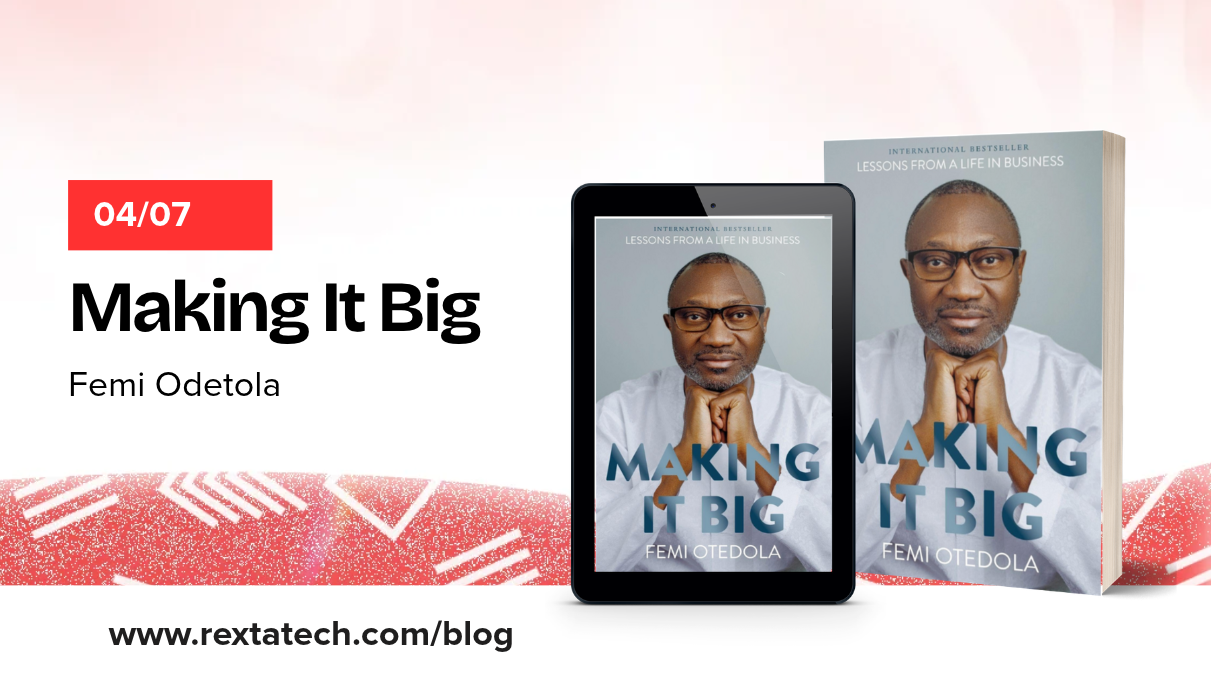
4. Making It Big: Lessons from a Life in Business by Femi Otedola
Learn from the journey, not just the success story.
Every successful business has a story behind it. But those stories are rarely just about the wins. They also involve difficult decisions, unexpected setbacks, financial risks, and the ability to keep moving when things do not go according to plan.
In Making It Big, Femi Otedola shares his journey through business, including his ambitions, achievements, challenges, and setbacks.
Part business book and part memoir, it offers a look into the experiences and personal philosophies that shaped his entrepreneurial journey. His story also provides a Nigerian business perspective, particularly for anyone interested in building and growing businesses within the African economy.
For someone preparing to launch a business, the value is not in assuming your journey will look like his. It is in understanding that building something significant requires resilience, calculated decisions, and the willingness to navigate uncertainty.
What you can learn: The importance of persistence, mindset, adaptability, and learning from both business successes and setbacks.
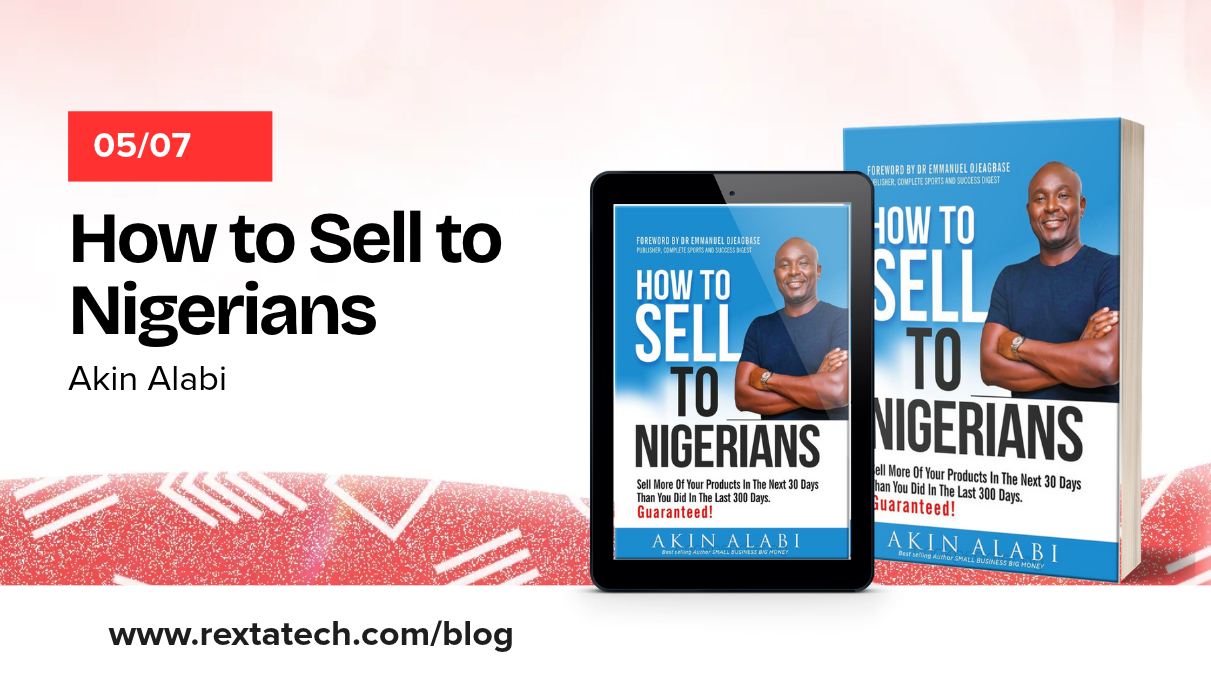
5. How to Sell to Nigerians by Akin Alabi
Understand the people you are trying to sell to.
Having a good product or service is one thing. Convincing people to pay for it is another.
And when your target market is Nigerian consumers, understanding how people make purchasing decisions can give your business a valuable advantage.
In How to Sell to Nigerians, Akin Alabi explores the Nigerian consumer market and the different ways businesses can communicate their offers, attract attention, and convert potential customers into buyers.
The book covers practical sales and marketing ideas, including using stories to sell, writing persuasive sales messages, understanding customer preferences, and working with influencers without overspending.
It is a useful reminder that selling is not simply about telling people how good your product is. You need to understand what matters to them and communicate your offer in a way that makes sense.
What you can learn: How to understand Nigerian buyers, communicate your value, create persuasive offers, and approach sales with your target market in mind.
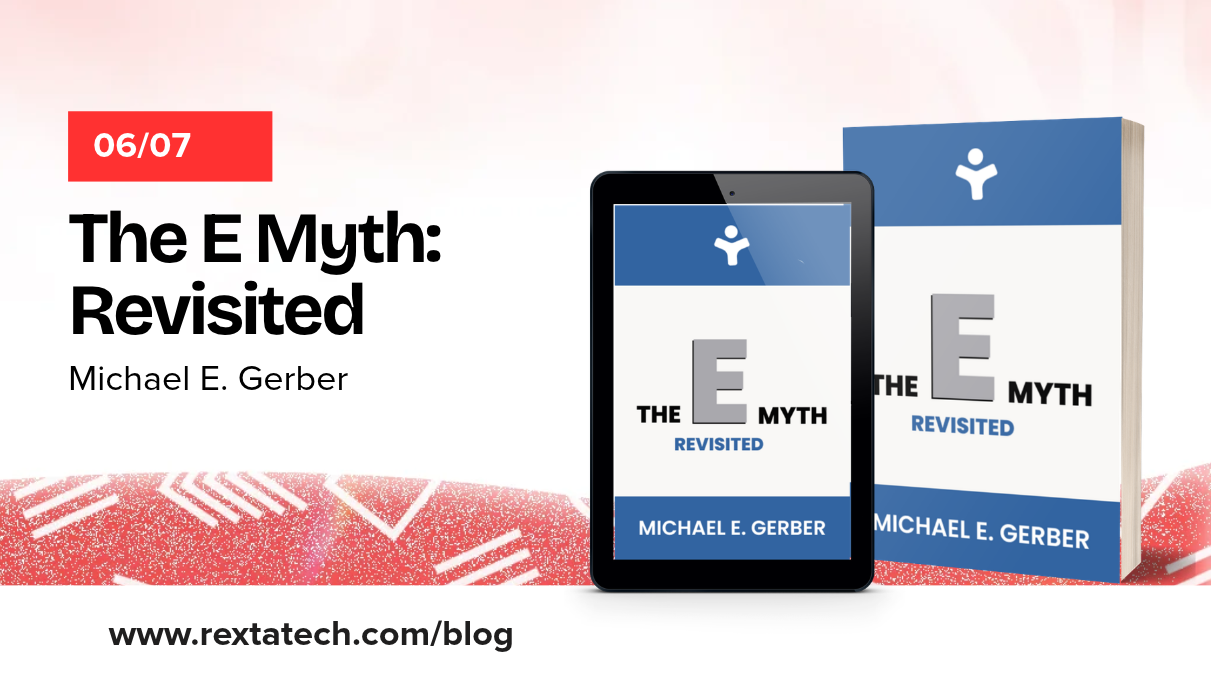
6. The E-Myth Revisited by Michael E. Gerber
Build a business that does not depend on you doing everything.
Many people start businesses because they are good at a particular skill. A talented designer starts a design agency. A skilled baker opens a bakery. A developer starts a software company.
But being good at the work does not automatically mean you know how to run a business.
In The E-Myth Revisited, Michael E. Gerber explores why many small businesses struggle and challenges the assumption that technical expertise is enough to make someone a successful business owner.
One of the book's central lessons is the difference between working in your business and working on your business.
Working in the business means handling the everyday tasks required to keep things running. Working on the business means developing the processes, systems, and structure that allow it to operate and grow beyond your personal involvement.
This distinction becomes increasingly important as your business grows. You cannot remain the person responsible for every customer interaction, delivery, decision, and administrative task forever.
What you can learn: How to build repeatable processes, document important operations, delegate responsibilities, and create a business that can function without your constant involvement.
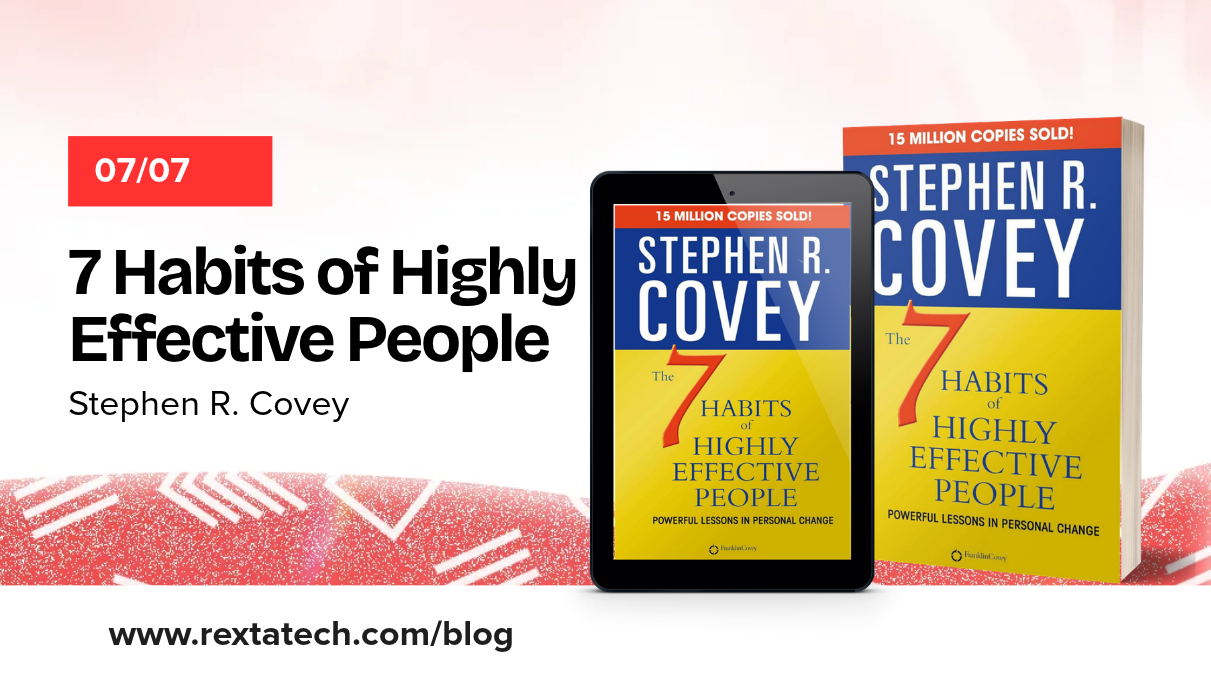
7. The 7 Habits of Highly Effective People by Stephen R. Covey
Learn to lead yourself before you lead a business.
Running a business is not just about managing products, customers, and money. It also requires discipline, good judgment, effective communication, and the ability to work with other people.
In The 7 Habits of Highly Effective People, Stephen R. Covey presents a principle-centered approach to personal and professional effectiveness.
The seven habits cover areas such as taking responsibility for your actions, setting clear goals, prioritizing important work, building mutually beneficial relationships, listening to understand others, collaborating, and continually improving yourself.
These principles are particularly relevant to business owners. Your habits influence how you manage your time, make decisions, handle challenges, communicate with your team, and build relationships with customers.
As your business grows, your ability to lead yourself and others becomes just as important as your technical or commercial skills.
What you can learn: How to develop personal discipline, improve your leadership, prioritize effectively, build trust, and create a more productive working environment.
Knowledge Is Better When You Put It to Work
Starting a business comes with plenty of unknowns, but you do not have to approach every challenge blindly.
These seven books offer different perspectives on customer research, innovation, sales, business operations, and leadership. Take the lessons that apply to your situation, question what you read, and find practical ways to use that knowledge.
You do not need to have everything figured out before you start. But you should be willing to learn, adapt, and build with intention.
And when you are ready to take the next step, make sure the digital side of your business is ready to support the journey.
Ready to build a stronger digital foundation for your business?
Rexta Technologies is here to help you move from ideas to execution. Let's discuss how we can support your business as it grows.
Get StartedFrequently Asked Questions
What books should I read before starting a business?
Some useful books to read before starting a business include The Mom Test by Rob Fitzpatrick, Zero to One by Peter Thiel, Small Business, Big Money by Akin Alabi, and The E-Myth Revisited by Michael E. Gerber. They cover important areas such as validating business ideas, identifying opportunities, managing operations, and building sustainable businesses.
Which book can teach me how to validate a business idea?
The Mom Test by Rob Fitzpatrick is a useful guide to customer discovery. It teaches aspiring entrepreneurs how to ask better questions, understand potential customers, and get honest feedback before investing heavily in an idea.
What is the best business book for Nigerian entrepreneurs?
There is no single best book for every Nigerian entrepreneur, but Small Business, Big Money and How to Sell to Nigerians by Akin Alabi offer perspectives on starting, growing, and selling within the Nigerian market. Making It Big by Femi Otedola also provides insight into the journey of building businesses in Nigeria.
Why should business owners read books about leadership?
As a business grows, the owner often becomes responsible for managing people, making decisions, resolving problems, and setting direction. Leadership books can help business owners develop the habits and communication skills needed to manage teams and build productive working relationships.
Can reading business books help me avoid business failure?
Business books can help you understand common mistakes, learn from other people's experiences, and make more informed decisions. However, reading alone cannot guarantee success. You still need to understand your market, manage your resources, execute your plans, and adapt when circumstances change.
Reactions
Stay in the loop
Get notified when we publish a new blog post. No spam, just insights and updates from the Rexta Technologies team.
Related Posts
Business 101: 7 Things You Need to Understand Before Starting a Business
Discover seven business fundamentals covering brand identity, customer research, financial management, marketing, and the systems needed to build a business that can grow.
6 Nov 2026
ERP for Business Efficiency: What It Does and How to Choose the Right One
Discover how ERP systems connect business operations, reduce manual work, and improve efficiency. Learn what to look for when choosing between an off-the-shelf, customized, or bespoke ERP solution.
16 Nov 2026
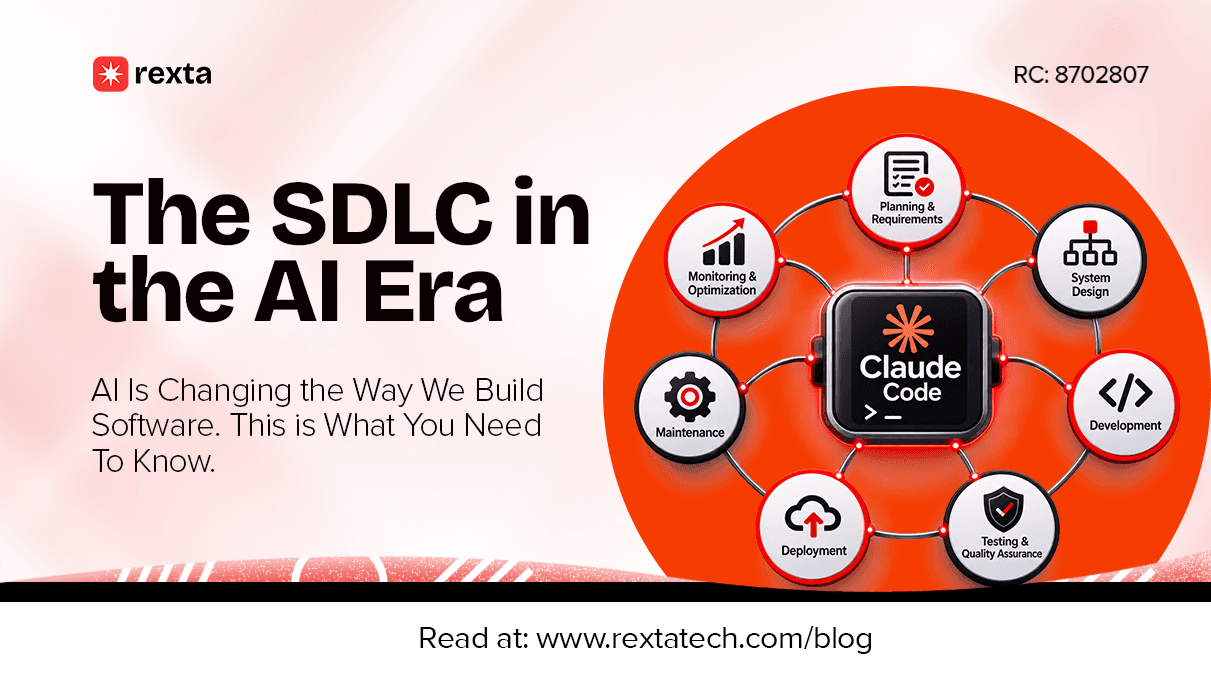
The SDLC in the AI Era: How AI Is Changing the Way We Build Software
Explore how AI is changing software planning, design, coding, testing, deployment, and maintenance, and what developers and businesses need to understand.
13 Nov 2026

Your MVP Should Embarrass You a Little: The Right Way to Scope Your Product
Learn what makes a minimum viable product, how to avoid scope creep, choose the right features for your first release, and use early user feedback to build a better product.
13 Nov 2026